Insights · Topic
Load balancing and site power
Most charging schemes are capped by the grid connection rather than the budget.
About this topic
These articles cover how load balancing works, what G100 permits, and how a site fits more charge points inside the supply it already has. Increasingly they also cover what happens when a site has solar generation or battery storage as well, because most load balancing only sees one asset, and a battery the charging infrastructure cannot see is a battery it cannot use.
Tags in this topic
The products behind these articles
LinkRay · SiteManager · Load balancing · G100 compliance · The Plus ES case study
Articles
9 articles

From pilot to 1,000 EV chargers: get the architecture right
How to design EV charger load management that scales from pilot to 1,000 chargers without wasting power or locking into the wrong architecture.

What is Dynamic Load Balancing for EV Charging?
Dynamic load balancing adjusts power across EV chargers in real time to prevent overloads, cut costs and boost capacity. Learn how LinkRay does it.

Press Release: New EV Load Balancing Link Aggregation
Versinetic has launched its global LinkRay Distribution Partner Programme and a new Link Aggregation feature for load balancing across complex EV sites.
OpenADR: Why Do We Need Open Automated Demand Response?
What is OpenADR? Read the guide on Open Automated Demand Response and its role in optimising energy usage in EV charging.
G100 and G100 Import Limitations Explained
G100 is the UK grid regulation limiting power import for EV chargers. Learn the compliance requirements and how it affects charging speed and capacity.
Solar Powered EV Charging Stations: Australia’s Next Frontier
Solar-powered charging stations accelerate adoption. But can Australia’s abundant sunshine help it become a global EV leader?
Bright Future: Solar to Accelerate Australia’s EV Charging Network
Dunstan Power tells an Australian EV conference that solar could accelerate public charging infrastructure, as France mandates car park canopies.
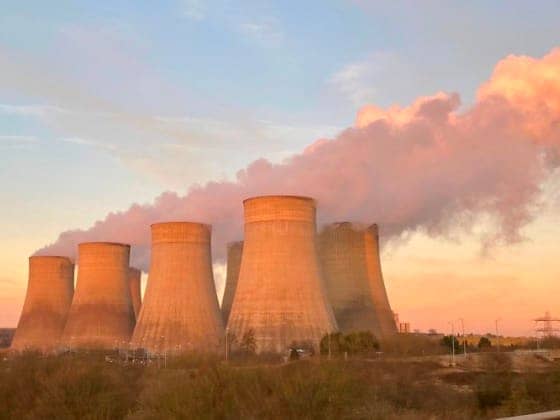
The Energy Crisis (And Why Energy Democracy Will Help)
Julian Skidmore explores the energy crisis as a clash between energy access and generation, arguing that distributed, democratised energy can help.
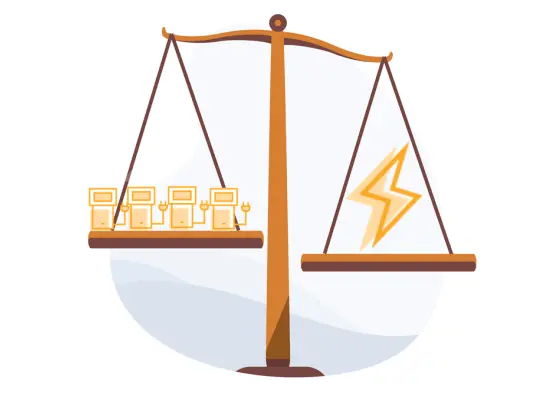
Load Balancing for EVs – 4 Reasons Why It Matters
Load balancing lets EV chargers share limited power. Discover four reasons it matters, from avoiding grid upgrades to enabling home and fleet charging.
Get in touch
Ready to talk through your project?
Tell us what you're building and our engineers will help you scope the fastest, lowest-risk route to market. A conversation directly with the people who design the charging modules.