⚡ TL;DR – G100 & G100 Import Limitations Explained
G100 governs how much electricity a site can import or export against the limit agreed with its DNO, using a Customer Limitation Scheme that monitors power flow and intervenes before thresholds are breached. For EV charging sites, this means fitting G100 type-tested equipment and supporting all four operating states it defines, from normal running to fail-safe lockout.
The most common mistake is treating G100 as a paperwork exercise rather than an engineering one. It isn’t. Build the compliance documentation, password protection and excursion detection in from the start, and choose chargers that meet these requirements natively rather than bolting them on later.
Table of Contents
What is G100 for EV charging?
G100 is a regulation set by the Energy Networks Association (ENA) in the UK, focusing on the power limitation of large loads and microgeneration devices, such as; solar PV panels, home batteries, and EV chargers. The main aim of G100 is to prevent the grid from becoming unstable by regulating how much energy can be imported and exported between these devices.
These regulations, set by the Energy Networks Association (ENA), require EV charging operators to carefully manage the power drawn from the grid, impacting the speed and capacity of charging stations.
For CTOs and technical decision-makers in the EV charging industry, understanding G100 is essential for developing compliant, efficient, and competitive charging solutions.
This article explores the key aspects of G100 import limitations, their impact on EV charging operations, and strategies for mitigating challenges while leveraging opportunities in this evolving regulatory landscape.
What are G100 Import Limitations?
G100 import limitations are designed to regulate the amount of power that can be drawn from the grid by large loads, such as EV chargers.
These limitations are crucial for maintaining grid stability as the adoption of electric vehicles and other low-carbon technologies increases.
Under G100 Issue 2, both export and import limitations are covered, with a focus on Customer Limitation Schemes (CLS) that control the output from generating devices or import of customer demanding devices.
For EV charging infrastructure, this means that charging systems must be capable of monitoring and controlling import limits set by the Distribution Network Operator (DNO).
The importance of managing these limitations is underscored by the potential for grid overloads and imbalances, which could lead to power outages if left unchecked.
Compliance with G100 regulations requires sophisticated energy management systems that can adjust charging rates in real-time to stay within prescribed limits, ensuring that EV charging infrastructure contributes to, rather than compromises, grid stability.
Technical Requirements for G100 Compliance
To comply with G100 standards, EV charging systems must incorporate several key technical features:
- Smart energy management systems capable of real-time monitoring and control of import levels
- Type-tested EV chargers that meet G100 specifications.
- Ability to detect excursions within 15 seconds and reduce import to agreed capacity
- Password-protected settings that prevent unauthorised changes
- Integration with site-wide energy management to ensure overall compliance
- Fail-safe mechanisms to shut down charging if import limits are exceeded
- Compatibility with four operational states defined by G100, including normal operation and failure modes
These requirements necessitate sophisticated hardware and software solutions, often increasing the complexity and cost of EV charging infrastructure deployment.
Manufacturers and operators must carefully design their systems to balance regulatory compliance with charging efficiency and user experience.
Benefits of G100 Compliance
Complying with G100 standards offers several key benefits for EV charging operators:
- Increased grid stability and reliability, reducing the risk of power outages and ensuring consistent charging service for customers
- Potential for reduced connection costs and faster approval processes from Distribution Network Operators (DNOs), as G100-compliant systems are designed to minimise grid impact
- Opportunity to participate in flexibility markets and demand response programs, potentially creating new revenue streams
- Enhanced consumer confidence through standardised safety and performance measures
- Future-proofing of charging infrastructure, ensuring compatibility with evolving smart grid technologies and regulations
- Improved energy management capabilities, allowing for more efficient use of available power capacity and potentially reducing operational costs
By adhering to G100 standards, EV charging operators can position themselves as responsible industry players while also benefiting from improved system performance and potential cost savings.
Other Key Components of G100
Customer Limitation Schemes (CLS)
Customer Limitation Schemes (CLS) focus on managing the import and export limits at the customer level. CLS ensures that the total power imported from or exported to the grid by a customer’s installation remains within the agreed limits.
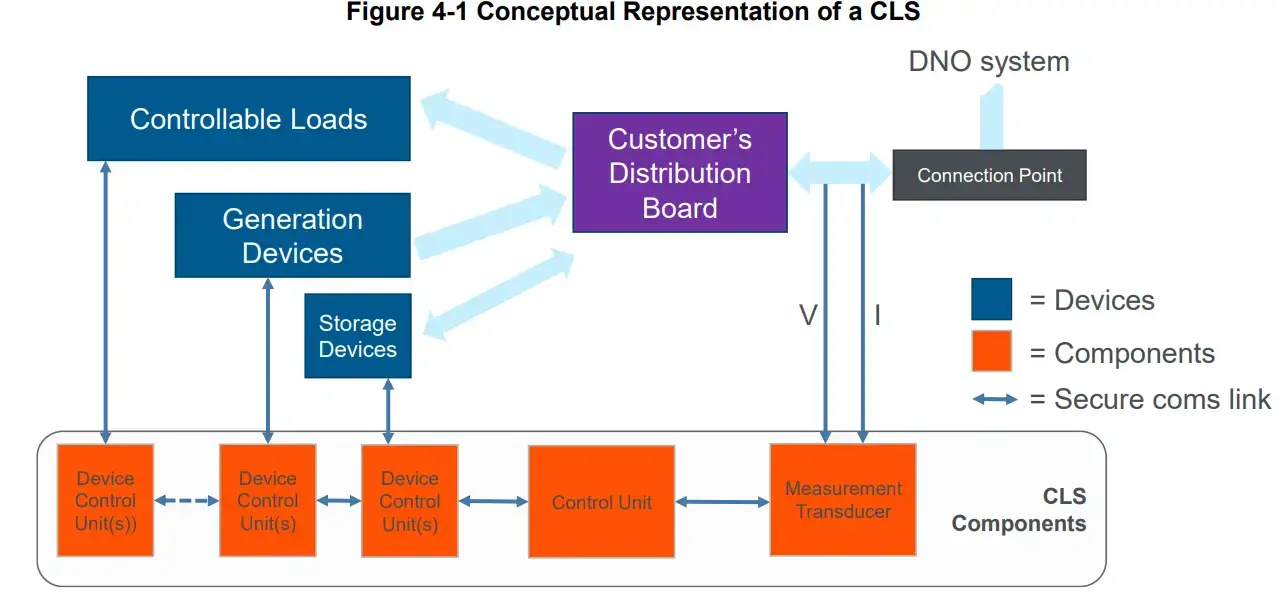
This involves implementing control systems that can dynamically adjust the power flow based on real-time conditions.
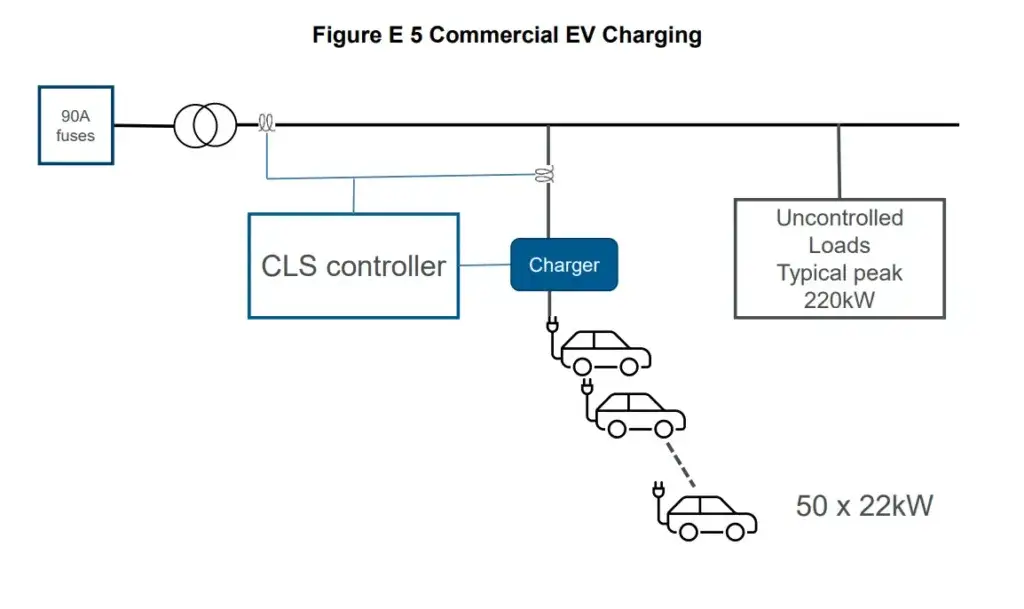
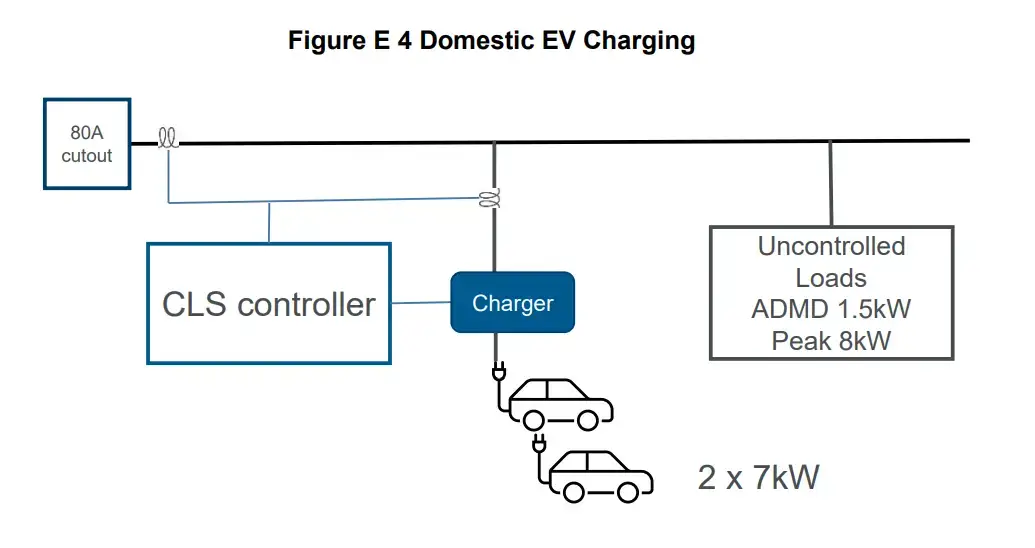
CLS is crucial for maintaining compliance with G100 standards and preventing disruptions to the local grid.
Export Limitation Schemes (ELS)
Export Limitation Schemes (ELS) are designed to ensure that the amount of electricity exported back to the grid by microgeneration devices, such as solar PV panels and EV chargers, does not exceed the limits set by the Distribution Network Operator (DNO).
ELS involves monitoring and controlling the export levels to prevent grid overloads and maintain stability.
This is particularly important in areas with high penetration of renewable energy sources, where excess generation can pose challenges to grid management.
Maximum Export Limit (MEL)
The Maximum Export Limit (MEL) is the highest amount of power that a customer’s installation is allowed to export back to the grid.
This limit is set by the DNO based on the capacity of the local grid and the specific conditions of the installation site.
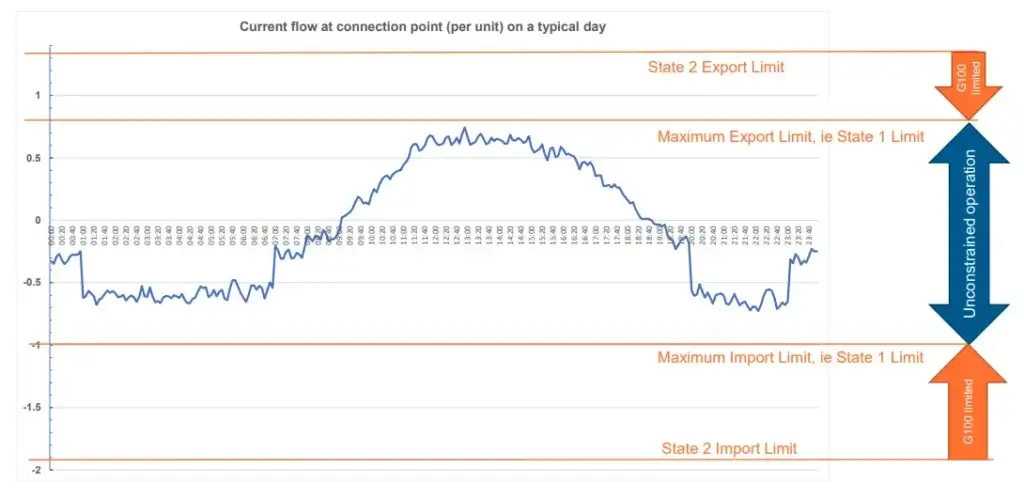
MEL is a critical parameter in G100 compliance which would apply to V2G chargers.
Impact of G100 Standards on the Speed and Capacity of EV Charging
Speed of EV Charging:
- Dynamic Load Management: G100 standards require the monitoring and control of import limitations, which can directly impact the charging speed of EVs.
During periods of high demand or when the import limit is approached, the charging speed may need to be reduced to stay within the prescribed limits.
This can lead to longer charging times for consumers, especially during peak usage periods.
- Smart Charging Solutions: To mitigate the impact on charging speed, operators can implement smart charging solutions that dynamically adjust the charging rate based on real-time grid conditions and the import capacity.
These solutions can help optimise the charging process while ensuring compliance with G100.
Capacity of EV Charging:
- Import Limitations: G100 standards impose import limitations that restrict the maximum amount of power that can be drawn from the grid at any given time.
This can limit the number of EVs that can be charged simultaneously, especially in locations with lower agreed import capacities.
- Energy Management Systems: Advanced energy management systems can help manage the overall load and distribute the available capacity efficiently among multiple charging points.
This can maximise the usage of the available import capacity and improve the overall charging capacity of the station.
Challenges and Innovative Solutions
Versinetic’s chargers are G100 compliant and satisfy all 4 states of operation to maintain grid stability.
Our chargers can operate as a group as part of a single CLS easing sites that require multiple chargers. A single charger or multiple chargers can monitor onsite loads and ensure the MEL is not exceeded.
Versinetic EV charger hardware - G100 compliant
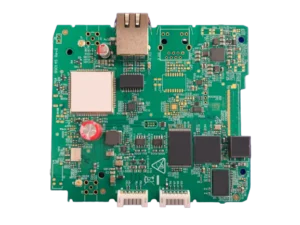
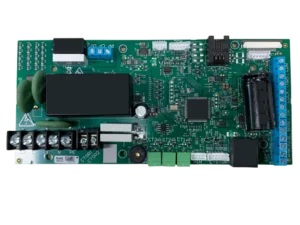
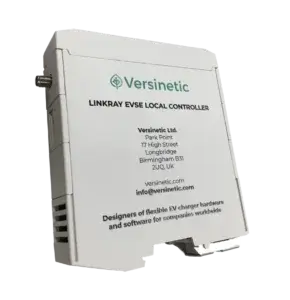
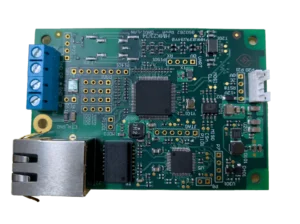
To help further satisfy G100, Versinetic’s chargers can detect faults in the measurement devices and set output limits according to the site power limitations.
Operating limits can be quite challenging to meet. Versinetic’s EV chargers have optional voltage calibration to improve voltage readings for chargers designed without meters.
With a wide range of load balancing options, Versinetic’s chargers give site operators tools to maintain grid stability and meet DNO requirements without fuss.
How does G100 affect EV charger installations?
G100 standards have made a significant impact on the EV charger installation process – introducing new requirements and considerations for both operators and installers, including:
From the 01 April 2023 installers must use G100 type-tested equipment in all customers installations where there is an agreement with the DNO not to exceed import restrictions.
Installers are required to provide proof of G100 compliance to homeowners, who must retain this documentation.
G100 has increased commissioning requirements for installers, including protecting relevant settings via password, PIN, or physical access capable of being sealed.
Installers need to submit G100 Scheme Application Forms to the Distribution Network Operator (DNO) during the initial application process.
Installation must include fail-safe functions for communications failures and internal failures, especially when using wireless communication systems.
These additional requirements have increased the complexity and, potentially, the cost of EV charging station installations where there are import restrictions.
G100 Compliance Takeaways
G100 compliance is crucial for the successful operation of EV charging infrastructure in the UK, balancing grid stability with the growing demand for electric vehicle charging. Key aspects of G100 compliance and its impact on EV charging operations include:
- Ensuring grid stability by regulating power import and export, crucial as EV adoption increases
- Requiring sophisticated energy management systems for real-time monitoring and control
- Impacting charging speeds and capacity, necessitating smart load management solutions
- Creating opportunities for innovation in areas like battery storage integration and V2G technology
- Potentially increasing operational costs but also offering market differentiation opportunities
- Varying in implementation across different DNO regions, requiring localised approaches
- Influencing the installation process with new requirements for equipment and documentation
- Affecting the development and integration of V2G technology
Are you G100 ready?
Want to ensure your chargers meet the G100 standard?
Talk to our expert engineering consultants about how Versinetic’s technology takes the complexity out of compliance.
FAQs
G100 is the ENA’s technical recommendation for Customer Export or Import Limitation Schemes (CLS), keeping the power flowing into or out of a site within the limit agreed with the DNO. For EV charging, it directly shapes what installers must fit and how they commission a site.
Compliance applies specifically where there’s an agreement with the DNO not to exceed import or export restrictions. From 1 April 2023, installers must use G100 type-tested equipment in these installations, and provide proof of compliance that homeowners are required to retain.
G100 sets out four operating states a compliant system must support, from normal operation through to a fail-safe response when thresholds are breached. Versinetic’s chargers are built to satisfy all four states, giving site operators confidence around grid stability and DNO compliance.
G100 increases commissioning requirements, including protecting relevant settings via password, PIN, or physical access capable of being sealed. Installers must also submit G100 Scheme Application Forms to the DNO during the initial application process, on top of standard installation documentation.
With a wide range of load balancing options, Versinetic’s chargers give site operators the tools to maintain grid stability and meet DNO requirements without added complexity, supporting compliant, type-tested installations across commercial and multi-charger sites.
Versinetic’s editorial team includes engineering specialists who were among the developers that supplied EV chargers for the 2012 London Olympics.
Further reading
https://www.energynetworks.org/assets/images/ENA_EREC_G100_Issue_2_Amendment_2_%282023%29.pdf
https://www.alternergy.co.uk/blog/post/g100-issue-2-import-export-limitation-compliance
https://givenergy.co.uk/what-is-g100-export-limitation
https://www.gov.uk/guidance/regulations-electric-vehicle-smart-charge-points
https://constructionmanagement.co.uk/courses/cpd-electric-vehicle-charging-infrastructure/
https://wing.energy/understanding-uk-grid-regulations-g98-g99-and-g100/